
Key Takeaways:
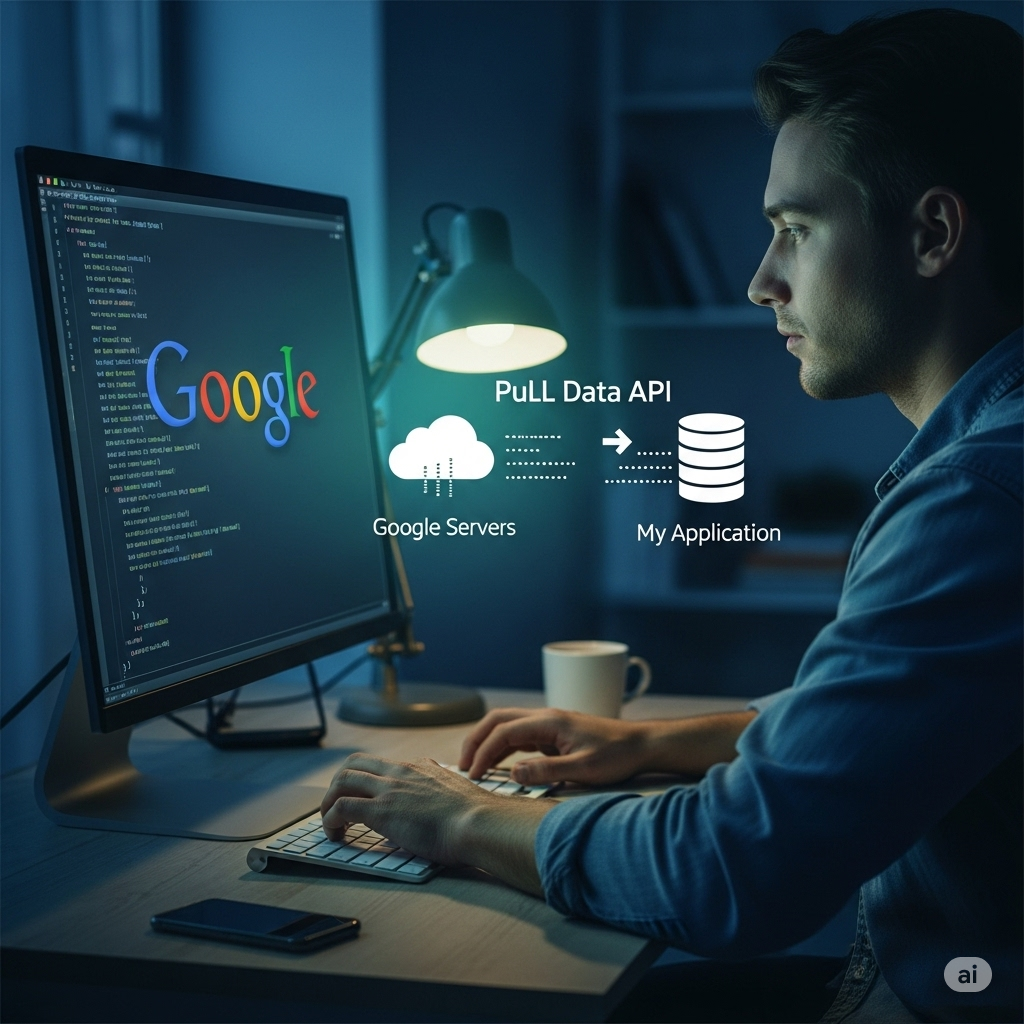
- OpenAI has allegedly used SerpApi to access Google search results for ChatGPT responses on current events.
- The arrangement reportedly began after Google declined OpenAI’s request for direct access to its search index.
- Using SerpApi allows ChatGPT to surface news, sports scores, and financial updates more quickly.
- The practice raises questions about OpenAI’s reliance on Google data despite competing with it in search.
- The development highlights growing scrutiny over how AI systems source real-time information.
OpenAI’s ChatGPT has become a leading destination for real-time answers, but new reporting suggests those answers may, at least in part, rely on Google search results. According to a detailed investigation by The Information, OpenAI has been using data scraped by the startup SerpApi to help generate responses on current events, including news stories, sports scores, and financial market updates.
We can confirm this is the case as our FusionScore.ai service – the first to track and improve your AI search visibility, does something similar to approximate AI results for local search. Our intense research shows numerous AIs – rely on Bing, Azure Maps, Foursquare, and other local review sites.
SerpApi is a service that collects and organizes search engine results, effectively packaging information such as snippets, rankings, and featured boxes into structured data that can be used by other applications. By leveraging SerpApi, OpenAI appears able to give ChatGPT users faster access to timely information, even though it does not have formal access to Google’s index.
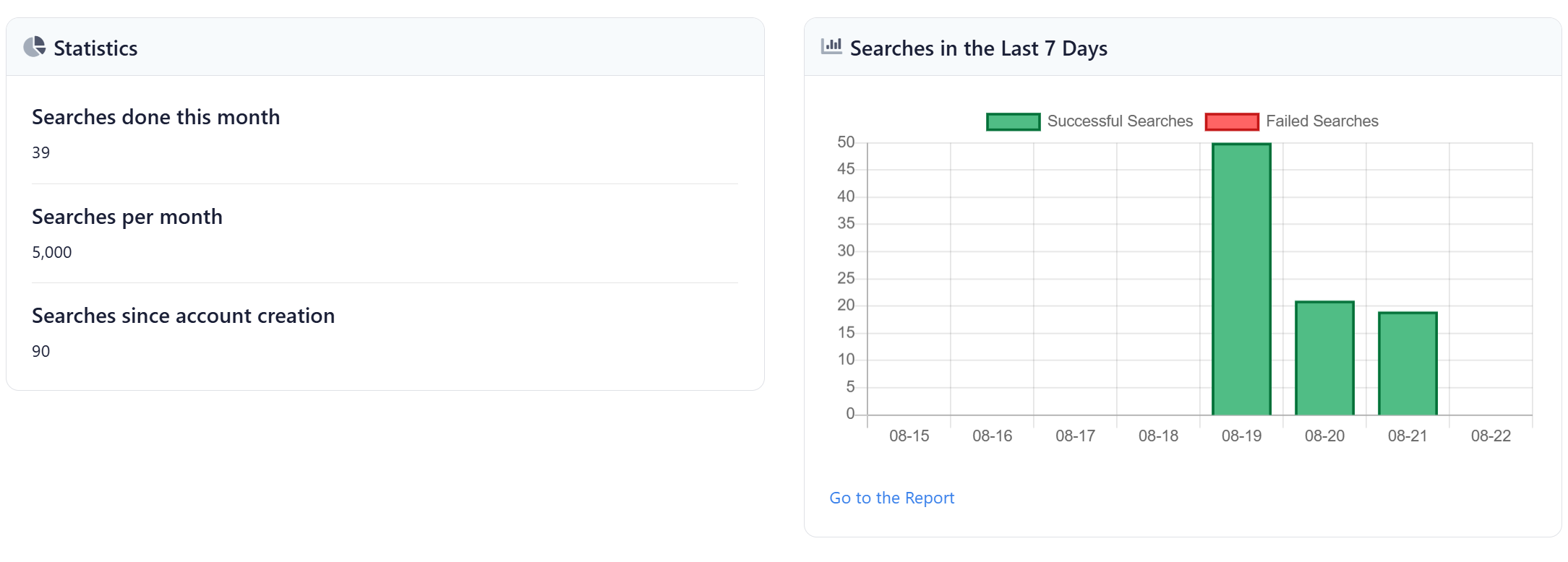
In our implementation of SerpAPI earlier this week found the free tier worked for several dozen searches and then timed out continuously. We opted for Ludicrous mode for $150/month and haven’t had an issue since. (See graph below)
Why OpenAI turned to SerpApi
The reporting indicates that OpenAI approached Google directly about licensing search data, but the request was denied. That led the company to look at alternatives. SerpApi, based in Austin, Texas, offers a paid API that provides structured results from multiple search engines, including Google. Using this pipeline, ChatGPT can retrieve up-to-date snippets when a user asks about topics where freshness is critical, such as live sports, breaking news, or financial updates.
As Tom’s Guide noted in its coverage, this approach means that while OpenAI competes with Google in AI-driven search, it is simultaneously dependent on Google’s results to deliver some of the information its users see. This has sparked debate among analysts and developers about the sustainability of such reliance.
How it fits into the broader search rivalry
Google and OpenAI are increasingly viewed as rivals in the next era of search, as users turn to conversational AI systems instead of traditional search engines. Microsoft, OpenAI’s largest backer, has integrated ChatGPT into Bing, further intensifying competition with Google. Yet, as this latest development shows, Google’s long-standing dominance in search makes it difficult for competitors to bypass its data entirely.
“The irony is hard to ignore,” one analyst told The Information. “OpenAI is positioning itself as the future of search, but its product is leaning on the very search infrastructure it wants to replace.”
The role of featured snippets
A particularly valuable piece of Google’s search ecosystem is the featured snippet, the highlighted answer that often appears at the top of a results page. Featured snippets are designed to provide quick, authoritative answers without requiring users to click deeper. According to The Information’s reporting, these snippets are among the elements OpenAI has been able to surface through SerpApi, giving ChatGPT a more authoritative-sounding response when users ask time-sensitive questions.
That reliance highlights both the appeal and the risk of using scraped content. While featured snippets may offer concise answers, they are still the product of Google’s algorithms and can be subject to the same limitations or biases present in traditional search.
Legal and regulatory questions
The revelation that OpenAI is sourcing data through a third-party scraping service also raises legal and regulatory questions. Google has long objected to unauthorized scraping of its results, citing both intellectual property and competitive concerns. While SerpApi positions itself as a legitimate service provider, its role in making Google data more accessible to third parties is likely to draw additional scrutiny as AI-driven search becomes more entrenched.
This comes at a time when regulators are already examining relationships between Big Tech firms and AI startups. In ongoing antitrust cases, Google has emphasized the value of its search index and the barriers competitors face in building their own. The disclosure that OpenAI, backed by Microsoft, is indirectly drawing on that same index may play into broader debates about competition and fair access in search.
What this means for users
For ChatGPT users, the integration may help explain why the system is sometimes able to answer questions about current events with surprising speed and accuracy. While OpenAI has built partnerships with other providers, including deals with news outlets and publishers, access to Google’s search results—albeit indirectly—gives it a broader foundation of timely data.
However, it also highlights the fragility of this arrangement. If Google were to take steps to further block SerpApi or tighten restrictions on scraping, OpenAI could face new challenges in maintaining the freshness of ChatGPT’s responses. That uncertainty underscores the strategic importance of building more direct pipelines to real-time data, either through partnerships, licensing, or proprietary crawling.
Industry reaction
Reaction from the industry has been mixed. Some view OpenAI’s use of SerpApi as a pragmatic step, necessary to deliver the kind of user experience people now expect. Others see it as evidence that OpenAI is not yet ready to fully replace traditional search, given its reliance on Google’s results.
“It shows how far we still are from a true search alternative,” said one executive quoted by The Information. “Until these AI systems can stand entirely on their own, they will need to borrow from the incumbents they’re trying to disrupt.”
Looking ahead
The reporting sheds light on the complex dynamics of today’s AI search race. OpenAI has demonstrated its ability to reshape user expectations around information retrieval, but it remains tethered to Google’s ecosystem in ways that highlight both the power of incumbents and the difficulties of displacing them.
As competition between AI platforms accelerates, the question of who controls access to real-time information will become increasingly central. Whether OpenAI can transition from relying on scraped results to building more sustainable pipelines may help determine how credible ChatGPT becomes as a true alternative to search engines.
Learn how AI Agents can supercharge your company’s profits and productivity at TMC’s AI Agent Event Sept 29-30, 2025 in DC.

Rich Tehrani serves as CEO of TMC and chairman of ITEXPO #TECHSUPERSHOW Feb 10-12, 2026 and is CEO of RT Advisors and is a Registered Representative (investment banker) with and offering securities through Four Points Capital Partners LLC (Four Points) (Member FINRA/SIPC). He handles capital/debt raises as well as M&A. RT Advisors is not owned by Four Points.
The above is not an endorsement or recommendation to buy/sell any security or sector mentioned. No companies mentioned above are current or past clients of RT Advisors.
The views and opinions expressed above are those of the participants. While believed to be reliable, the information has not been independently verified for accuracy. Any broad, general statements made herein are provided for context only and should not be construed as exhaustive or universally applicable.
Portions of this article may have been developed with the assistance of artificial intelligence, which may have contributed to ideation, content generation, factual review, or editing.