
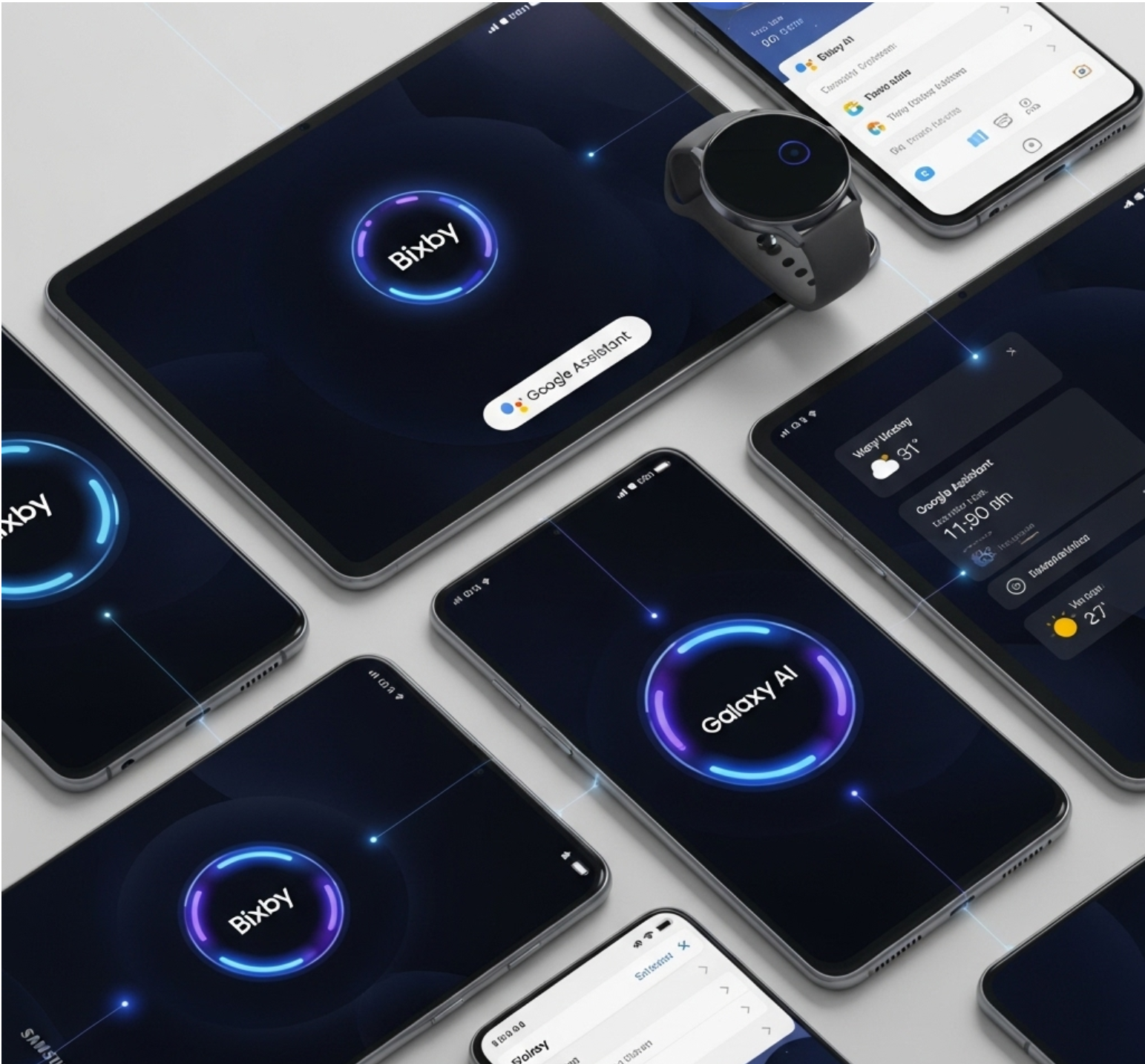
Key Takeaways:
- Samsung plans to integrate multiple AI agents—including from OpenAI and Perplexity AI—into upcoming Galaxy smartphones, beginning with the Galaxy S26 line.
- This shift moves Samsung beyond its reliance on Google’s Gemini, offering users greater flexibility and personalization in their AI experiences.
- Galaxy AI is already deployed on over 400 million devices and includes features like real-time translation, image editing, and contextual task assistance.
- Samsung is evaluating its own Exynos 2600 and Qualcomm’s Snapdragon 8 Elite 2 chips to handle advanced, on-device AI workloads.
- The initiative supports Samsung’s broader “AI for All” vision, aiming to democratize AI and deliver tailored agentic experiences across regions and use cases.
Samsung is preparing to make a major shift in its AI strategy by enabling users to choose from a variety of AI assistants on future Galaxy smartphones. As part of its next-generation Galaxy S26 line expected in early 2026, the company is in discussions with OpenAI and Perplexity AI to join Google’s Gemini as selectable AI agents embedded in Samsung devices.
The move marks a turning point for Samsung’s mobile division. While the company currently leverages Google’s Gemini alongside its own AI models to power Galaxy AI features, it now plans to expand that portfolio. Rather than tying user experience to a single provider, Samsung will allow Galaxy users to select the AI agent that best fits their communication, productivity, or research needs.
The move is not terribly surprising, considering Apple is doing something similar.
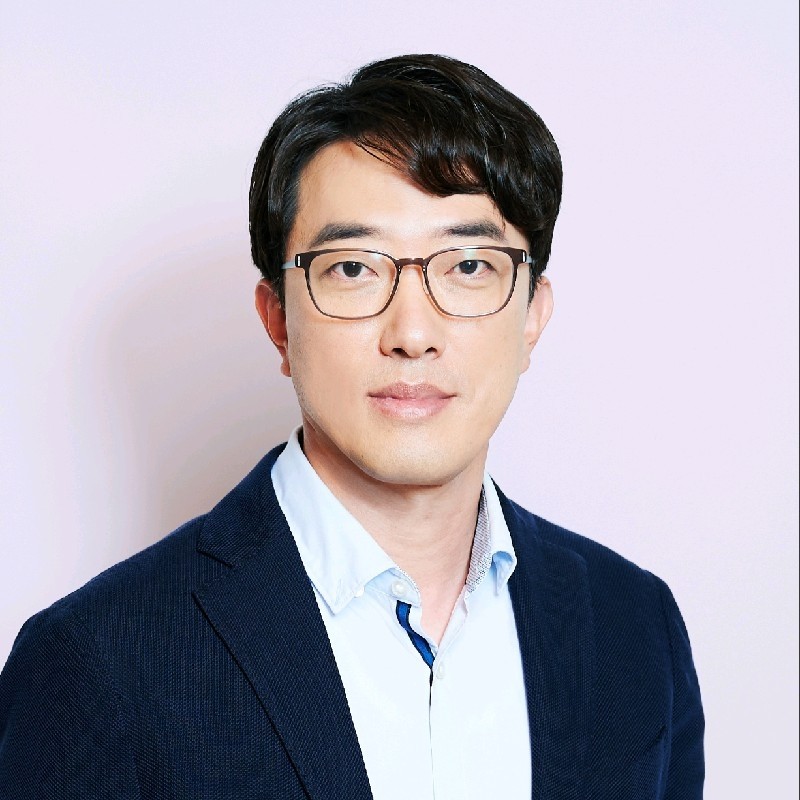
Choi Won-Joon, president and COO of Samsung’s mobile division, confirmed the strategy shift, stating that Samsung is “open to any AI agent out there that provides the best possible user experience.” He described this new approach as central to Samsung’s long-term vision of giving users choice, control, and access to the best tools available.
Samsung’s Galaxy AI platform already includes features such as automatic transcription, real-time translation, image refinement, and document summarization—all powered by generative AI. With over 400 million devices already equipped with Galaxy AI, the expansion to multiple agents could unlock deeper personalization and use case flexibility.
Users may soon be able to alternate between different assistants based on context. For instance, one agent might specialize in summarizing emails or crafting professional messages, while another may be better suited for real-time research, scheduling, or language translation. This modular approach represents a shift away from monolithic AI assistants toward user-defined, task-specific ecosystems.
Hardware will play a critical role in supporting this expansion. Samsung is actively evaluating both its proprietary Exynos 2600 chip and Qualcomm’s Snapdragon 8 Elite 2 to ensure smooth, low-latency AI execution. These next-gen processors are designed to support large-scale AI inference directly on the device—critical for delivering faster responses, improved privacy, and lower reliance on cloud connectivity.
Samsung’s decision also aligns with a broader industry trend toward AI agent choice. As tech giants like Apple, Microsoft, and Google embed AI deeper into their ecosystems, consumer appetite for customization is growing. Samsung’s multi-agent support could help differentiate its devices in a competitive premium smartphone market, especially among early adopters and power users.
Another strategic benefit is flexibility across international markets. Some AI agents perform better in certain languages, domains, or regions. By supporting multiple providers, Samsung can tailor experiences based on regional capabilities and regulatory standards without rebuilding its core platform each time.
The shift also reinforces Samsung’s emphasis on AI privacy and control. Through on-device execution and features like its Personal Data Engine and Samsung Knox security platform, users can expect their data to remain local when possible—even as they interact with more sophisticated and diverse AI models.
For developers and AI partners, Samsung’s vision introduces new distribution channels and interaction models. Developers may soon be able to build or license agents specifically optimized for Samsung’s hardware and software environment. The ability to swap, configure, or even add third-party agents could open a new market in mobile-based agent ecosystems, similar to how app stores enabled third-party software on smartphones.
Looking forward, Galaxy AI may evolve into a modular assistant layer—where different agents are loaded, updated, and selected like apps. This would allow Samsung to keep innovating without being locked into any one foundation model or assistant brand. It also builds resilience against volatility in the broader AI landscape, where licensing deals, API limitations, and legal pressures can shift quickly.
As the company prepares to launch its Galaxy S26 lineup, Samsung appears to be positioning itself not just as a hardware innovator, but as a curator of a multi-agent, AI-first user experience. That may resonate with consumers who want their devices to reflect how they work and communicate—not how one tech giant thinks they should.
Ultimately, Samsung’s multi-agent initiative is about freedom—freedom to choose your tools, to protect your data, and to adapt your experience over time. It could signal a major step toward making smartphones more intelligent, and more personalized, than ever before.
Learn how AI Agents can supercharge your company’s profits and productivity at TMC’s AI Agent Event in Sept 29-30, 2025 in DC.
Rich Tehrani serves as CEO of TMC and chairman of ITEXPO #TECHSUPERSHOW Feb 10-12, 2026 and is CEO of RT Advisors and is a Registered Representative (investment banker) with and offering securities through Four Points Capital Partners LLC (Four Points) (Member FINRA/SIPC). He handles capital/debt raises as well as M&A. RT Advisors is not owned by Four Points.
The above is not an endorsement or recommendation to buy/sell any security or sector mentioned. No companies mentioned above are current or past clients of RT Advisors.
The views and opinions expressed above are those of the participants. While believed to be reliable, the information has not been independently verified for accuracy. Any broad, general statements made herein are provided for context only and should not be construed as exhaustive or universally applicable.
Portions of this article may have been developed with the assistance of artificial intelligence, which may have contributed to ideation, content generation, factual review, or editing.