
Key Takeaways:
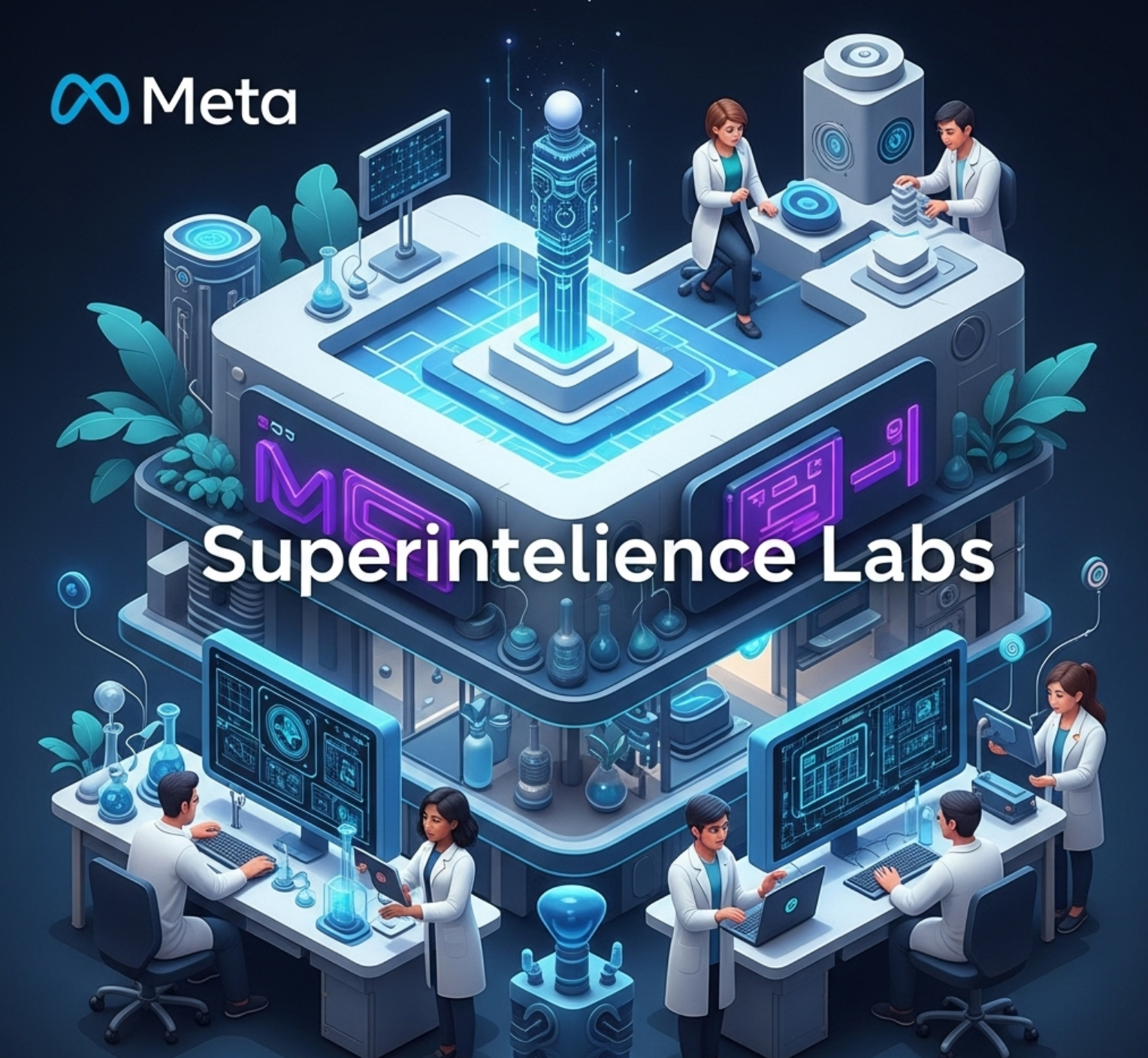
- Meta has formed a new division, Superintelligence Labs, to build advanced AI systems with long-term goals toward artificial general intelligence (AGI).
- The initiative is led by Alexandr Wang, founder of Scale AI, who joins Meta as Chief AI Officer, and Nat Friedman, former CEO of GitHub.
- Meta invested over $14 billion in Scale AI and recruited eleven high-profile researchers from leading AI labs.
- The company is significantly expanding its compute infrastructure, including new data centers, to support next-generation model development.
- Meta’s stock hit a record high following the announcement, signaling investor confidence in its deep AI push.
Meta has unveiled its most ambitious artificial intelligence effort to date with the creation of Meta Superintelligence Labs, a new division aimed at developing foundational AI models with long-term aspirations toward AGI—artificial general intelligence. The announcement comes alongside significant talent acquisition, investment in infrastructure, and a stated goal of transforming Meta’s platforms through AI-native products.
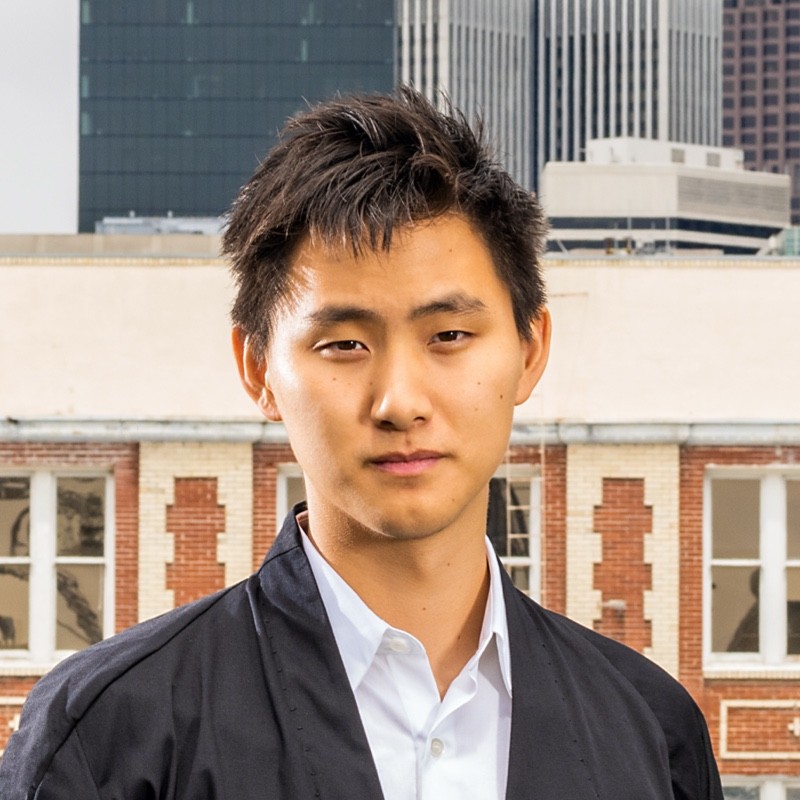
At the heart of this new effort is Alexandr Wang, the founder and former CEO of Scale AI. Wang now takes on the role of Chief AI Officer at Meta. He is joined by Nat Friedman, known for his leadership at GitHub and recent investing work in AI startups. Together, they will lead Meta’s strategy to build models that approach and eventually surpass current large language model capabilities.
A Concentrated Bet on Talent and Infrastructure
To support this new division, Meta has made a strategic investment in Scale AI—reportedly over $14 billion for a 49% stake. The move brings Scale’s expertise in data infrastructure and model evaluation directly into Meta’s ecosystem, allowing the company to scale its model training and alignment capacity more efficiently.
In parallel, Meta has brought in eleven senior AI researchers from companies including OpenAI, DeepMind, Google, and Anthropic. Compensation packages for these recruits are said to be among the highest in the industry. Meta is positioning these hires as a world-class team focused on breakthrough-level capabilities.
The announcement also included plans for significant infrastructure expansion. Meta will reportedly increase its AI compute capacity through data center upgrades, GPU cluster expansion, and partnerships with hardware vendors. The company’s capital expenditures for the year are now expected to fall between $64 and $72 billion, with a major share directed toward AI infrastructure.
Beyond Models: The Vision for Personal Superintelligence
Mark Zuckerberg, in a message to employees, described the new lab as “the beginning of a new era.” He framed Meta’s mission as making “personal superintelligence” broadly accessible—tools that help users reason, create, plan, and learn at human-level capacity or better.
Meta’s existing Llama models (Llama 4.1 and 4.2) will serve as starting points. The new lab is expected to develop frontier models with multimodal capabilities, new reinforcement learning frameworks, and agentic behavior—systems that not only respond to inputs but plan and act within digital environments.
Zuckerberg stressed that Meta’s long-term differentiation lies in its integration layer. With billions of users across Facebook, Instagram, WhatsApp, and Quest devices, Meta can deploy AI agents that are context-aware and capable of continuous learning in real-world environments.
Market Reaction and Investor Sentiment
Meta’s stock rose sharply following the announcement, closing at a record $738.09 per share, bringing the company’s market capitalization near $1.86 trillion. Investors responded positively to the combination of long-term vision and near-term action—particularly the depth of AI hiring and strategic partnerships.
Analysts highlighted the move as a strong counter to rivals like OpenAI and Google DeepMind, who have thus far led the charge in frontier model development. While Meta’s open-source Llama models have attracted significant adoption in the developer community, the company now appears ready to compete more directly on cutting-edge capability.
Challenges Ahead
Despite the momentum, Meta’s path is not without obstacles. Building and deploying AGI-level systems remains an open research challenge. Even inside Meta, some leaders have expressed caution. Chief AI Scientist Yann LeCun has argued publicly that scaling today’s models may not be sufficient to reach general intelligence, advocating for new architectures and learning strategies.
In addition, Meta’s Reality Labs division has consumed tens of billions of dollars without delivering broad consumer adoption for AR/VR technologies. Critics question whether a similar pattern might emerge if the AI roadmap proves more complex or slower than anticipated.
Meta also faces regulatory headwinds. Governments around the world are exploring frameworks for responsible AI, and any move toward general intelligence will be subject to increased scrutiny—especially if deployed widely across consumer platforms.
What’s Next for Meta AI
With the foundation of Superintelligence Labs now public, attention will turn to execution. The team is expected to begin development of new models later this year, with previews likely in 2026.
Zuckerberg hinted that Meta will focus initially on models that serve as productivity companions—assisting users in writing, organizing, researching, and managing tasks. Over time, these agents may evolve into autonomous entities capable of managing user goals across multiple apps and services.
Infrastructure expansion is also expected to accelerate. Meta’s investments in data centers, training hardware, and internal model evaluation tools will be key to competing with established players in both performance and speed.
Industry Implications
Meta’s move signals a new phase in the AI race—one where the largest consumer platforms commit to building in-house general-purpose AI systems. The decision to tie AGI development directly to user-facing products raises both opportunities and ethical considerations. If successful, Meta could become the first company to deploy powerful AI agents at population scale.
For the broader industry, Superintelligence Labs could increase competitive pressure on other players to deepen their investments, open-source their models, or rethink how to balance proprietary development with public accountability.
In the months ahead, the effectiveness of Meta’s hires, infrastructure, and product rollout will determine whether its vision for personal superintelligence becomes a meaningful new chapter—or another ambitious bet that takes years to materialize.
Learn how AI Agents can supercharge your company’s profits and productivity at TMC’s AI Agent Event in Sept 29-30, 2025 in DC.

Rich Tehrani serves as CEO of TMC and chairman of ITEXPO #TECHSUPERSHOW Feb 10-12, 2026 and is CEO of RT Advisors and is a Registered Representative (investment banker) with and offering securities through Four Points Capital Partners LLC (Four Points) (Member FINRA/SIPC). He handles capital/debt raises as well as M&A. RT Advisors is not owned by Four Points.
The above is not an endorsement or recommendation to buy/sell any security or sector mentioned. No companies mentioned above are current or past clients of RT Advisors.
The views and opinions expressed above are those of the participants. While believed to be reliable, the information has not been independently verified for accuracy. Any broad, general statements made herein are provided for context only and should not be construed as exhaustive or universally applicable.
Portions of this article may have been developed with the assistance of artificial intelligence, which may have contributed to ideation, content generation, factual review, or editing.