
Key Takeaways:
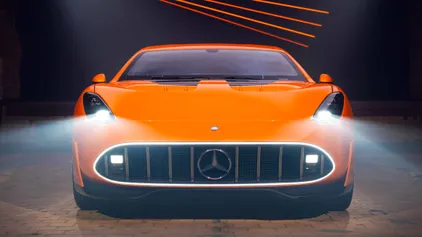
- Mercedes-AMG has unveiled prototype charging technology capable of delivering more than 1 megawatt of power, far exceeding today’s fastest EV chargers.
- The CONCEPT AMG GT XX features direct-cooled cylindrical battery cells and an 800-volt system designed to improve efficiency and durability.
- The company intends to roll out 600 kW charging stations in North America and Europe starting in 2026 through partnerships including Alpitronic.
- Despite its EV focus, Mercedes is retaining V12 engines in flagship luxury and AMG performance lines.
- The dual strategy aims to accelerate electrification while catering to customers who value the prestige of traditional combustion.
Mercedes-Benz is laying out a future that pushes the boundaries of electric vehicle innovation while refusing to abandon one of the most celebrated hallmarks of its past: the V12 engine. At a time when many automakers are racing to go fully electric, Mercedes is taking a dual approach, betting that advanced charging systems and next-generation battery designs can coexist with its most powerful combustion engines.
Charging Beyond Today’s Limits
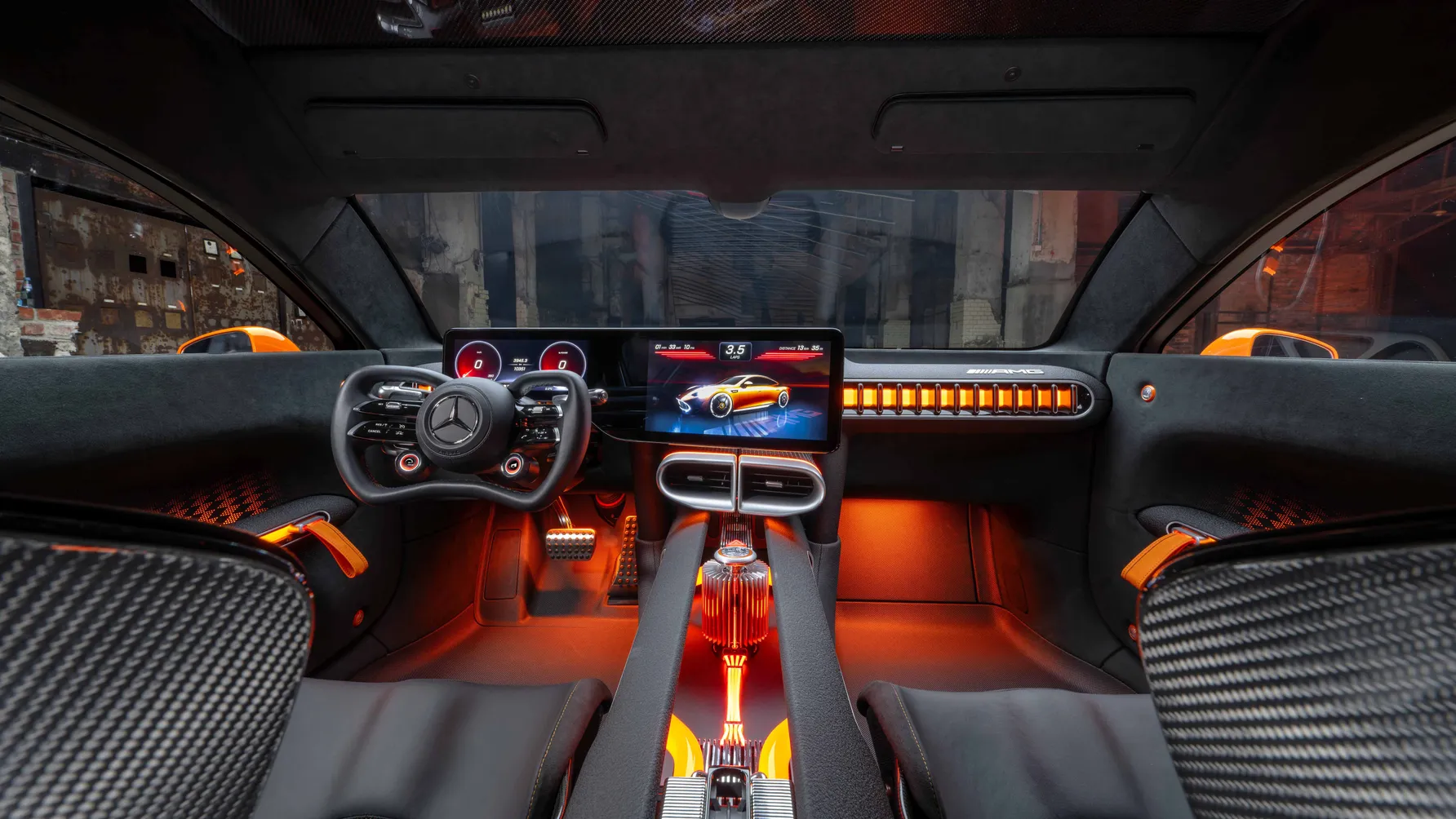
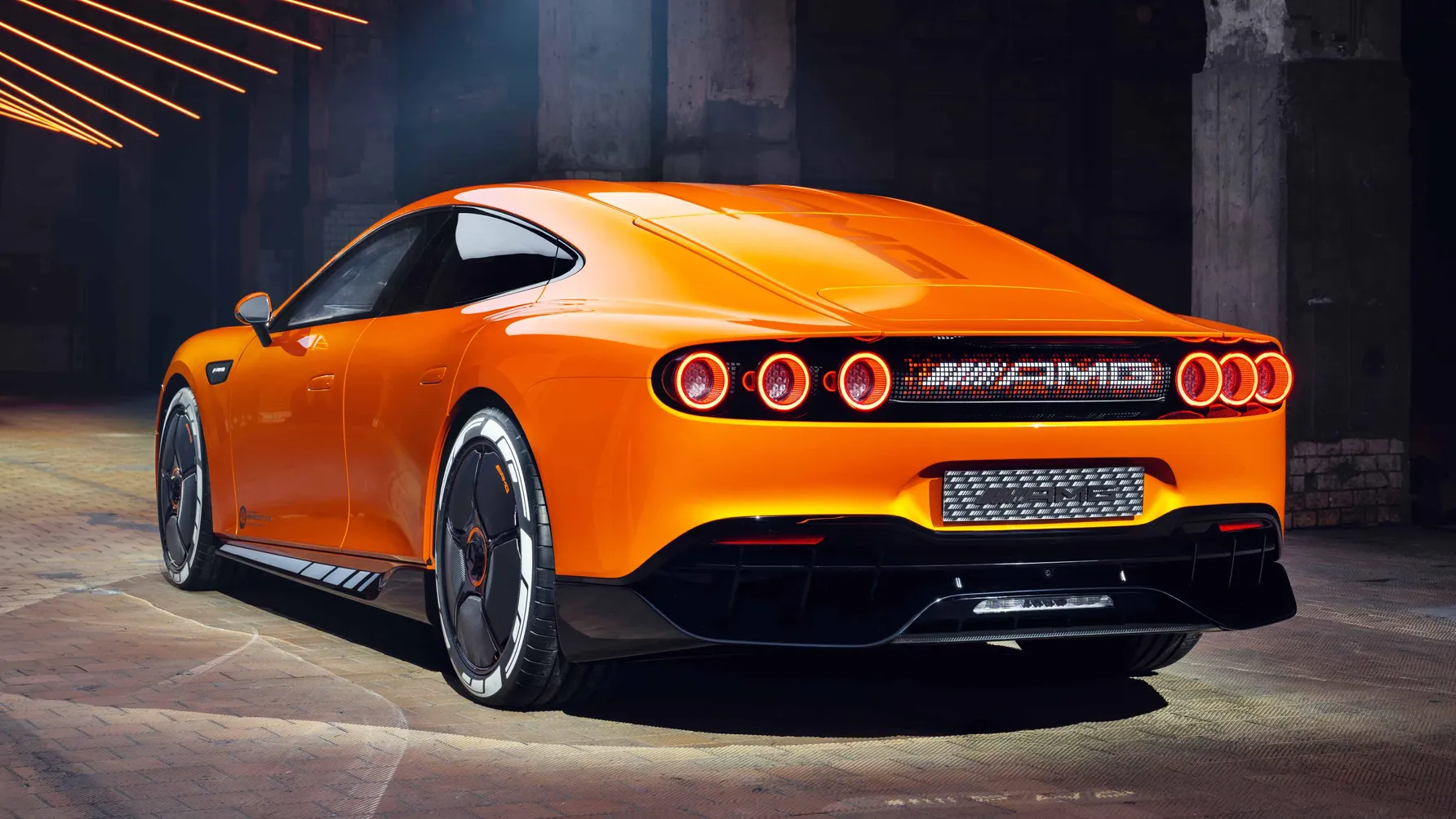
The centerpiece of Mercedes’ EV announcement is the CONCEPT AMG GT XX, a prototype that recently achieved charging speeds of 1,041 kilowatts during a controlled test. To put that in perspective, most of the fastest public chargers currently peak around 350 kW. By reaching over one megawatt, Mercedes effectively tripled the benchmark for fast charging.
The technology relies on several innovations. Instead of conventional air or liquid cooling around a module, the GT XX’s battery pack uses direct oil cooling inside tall, cylindrical NCMA cells. The oil is non-conductive, allowing it to safely manage the intense heat generated at megawatt charging speeds. According to Mercedes, this improves both performance and durability.
An 800-volt electrical architecture also plays a role. By operating at higher voltage, the system reduces the amount of current needed to deliver power, allowing for thinner, lighter wiring and more efficient energy transfer. Charging cables adapted from heavy-duty electric truck infrastructure further support the design, with slim, liquid-cooled CCS connectors.
“We’re showing that electric performance can exceed expectations,” Mercedes-AMG head Michael Schiebe said during the demonstration. “This breakthrough in charging is not just a laboratory test—it’s a glimpse at what future customers can expect in real driving.”
Moving Toward Public Rollouts
The charging milestone is more than a concept exercise. Mercedes plans to introduce ultra-fast charging stations starting in 2026, offering up to 600 kW to compatible vehicles. The rollout will begin in Europe and North America, with infrastructure partners such as Alpitronic providing the hardware. While these stations won’t match the GT XX’s 1,041 kW achievement, they represent a significant step beyond the capabilities of most existing networks.
The company has emphasized that technologies proven in the GT XX—direct cell cooling, 800-volt design, and refined cabling—will feed into its AMG.EA platform, the architecture underpinning its next wave of performance EVs.
Industry analysts view this as a strategic move to make EVs more practical for high-performance customers. One of the main barriers to adoption has been charging speed, with even premium EVs requiring 20 to 30 minutes to add substantial range. Megawatt charging could reduce that wait time to just a few minutes, rivaling the convenience of refueling gasoline vehicles.
V12 Engines Still Have a Role
At the same time, Mercedes is signaling that combustion engines—especially the iconic V12—are not disappearing from its lineup anytime soon. The company continues to offer V12-powered models, particularly in its top-end AMG and Maybach lines, where exclusivity and tradition play central roles in customer appeal.
Ola Källenius, CEO of Mercedes-Benz Group, made clear that the dual-track approach is deliberate. “We’re investing heavily in electrification, but we also recognize the importance of heritage and the desires of customers who still value twelve-cylinder engines,” he said in an interview. “The V12 remains part of our identity.”
This balancing act is increasingly complex as global regulations tighten. Europe and parts of the United States are enacting stricter emissions standards, and several jurisdictions have proposed future bans on internal combustion sales. Yet Mercedes appears committed to maintaining V12 offerings where permissible, even if in limited numbers.
Challenges and Open Questions
Despite the excitement around megawatt charging, there are practical hurdles ahead. Public infrastructure capable of consistently delivering 1,000+ kW is still years away. The energy demands on local grids, the cost of building such stations, and the stress on batteries all raise questions. Even with advanced cooling, batteries subjected to repeated ultrafast charging cycles may face longevity issues that Mercedes will need to prove it can manage.
On the combustion side, maintaining V12 engines may come at a cost. Production volumes are already low, and future compliance with emissions rules could make them even more niche. While this sustains brand prestige, it also highlights the limited runway for such engines in mass-market contexts.
Why It Matters
Mercedes’ strategy illustrates the automotive industry’s broader crossroads. Companies must prepare for an electric future without alienating customers still tied to performance traditions. By leading with both extremes—pushing EV technology to megawatt charging levels while keeping V12 engines alive—Mercedes is staking out a position that acknowledges both innovation and legacy.
Automotive writer George Binsted observed, “Mercedes is showing it doesn’t have to be either-or. They’re pioneering what’s possible with EV charging while also keeping alive what makes their top cars aspirational. It’s a hedge against uncertainty, but also a vision of serving very different customers at once.”
Whether this dual-track strategy succeeds will depend on execution. Delivering megawatt charging beyond prototypes will require substantial infrastructure investment and collaboration. Keeping V12 engines relevant will depend on regulatory allowances and consumer demand in luxury segments. Yet both tracks reflect Mercedes’ ambition to remain a leader in performance and prestige.
Conclusion
Mercedes-Benz’s latest announcements reinforce its unique approach to the future of mobility. The company is advancing technologies that could dramatically shorten EV charging times, while simultaneously preserving the emotional appeal of V12-powered vehicles. In doing so, it is charting a path that acknowledges the uncertainties of a rapidly changing industry. For enthusiasts and policymakers alike, Mercedes’ vision provides a window into how tradition and transformation might coexist in the automotive world.