
Key Takeaways:

- Elon Musk confirmed that Starlink satellite internet has been activated in Iran following a government-imposed nationwide blackout.
- Starlink’s satellite-based system allows users to access the internet without relying on state-controlled infrastructure.
- The move highlights Starlink’s growing role as a tool for connectivity during political crises, natural disasters, and armed conflicts.
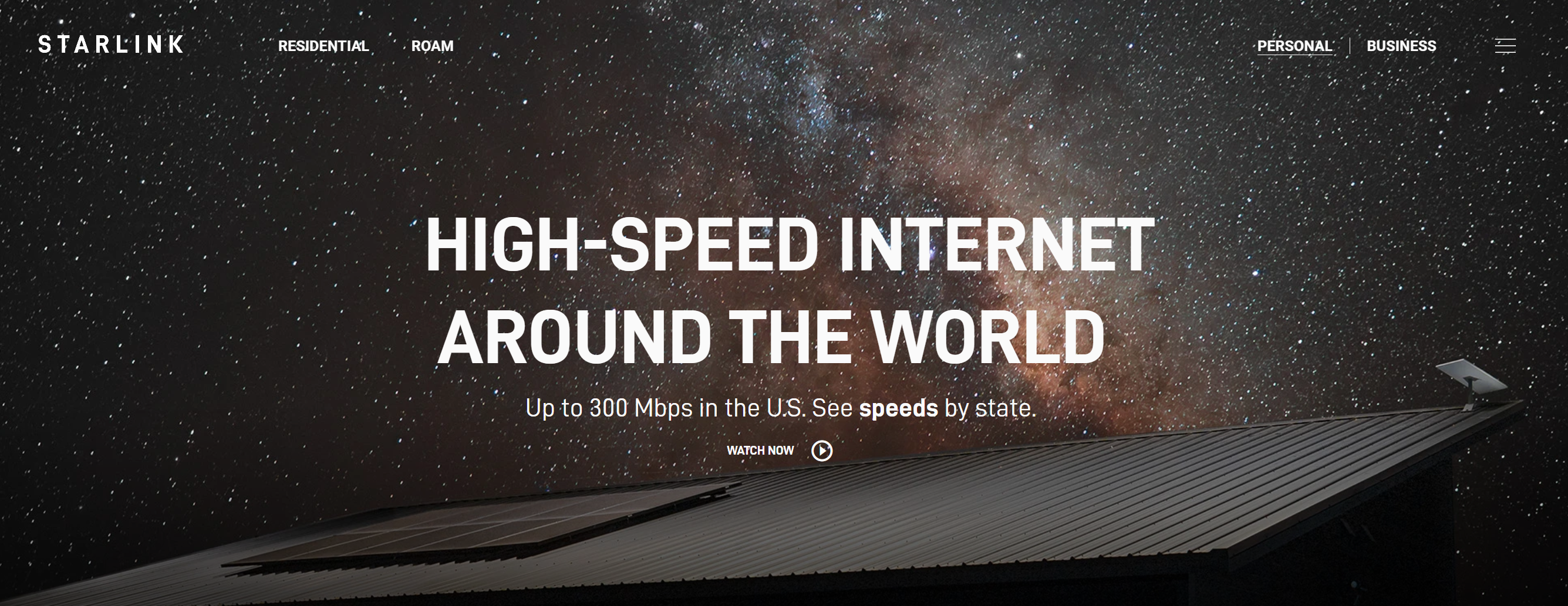
SpaceX has activated Starlink satellite coverage in Iran after the country’s leadership implemented a sweeping internet shutdown during a period of heightened geopolitical tension. The activation enables Iranians to connect directly to the internet via satellite, bypassing government restrictions and local telecom networks.
Elon Musk, CEO of SpaceX, confirmed the development with a brief statement: “The beams are on.” Though simple, the message marked a major intervention during a critical moment for information access in the region.
Iran’s blackout reportedly followed intensified military exchanges in the Middle East. In response, Iranian authorities moved to restrict internet traffic, block VPN access, and control the flow of information. This is not the first time Iran has resorted to shutting down internet services during times of unrest or perceived instability.
Starlink provides an alternative that cannot be blocked through conventional means. Because it connects users directly to a network of low-Earth orbit satellites, it remains operational even when national infrastructure is disabled or censored. While government agencies can try to block the use of terminals, the service itself is effectively outside their jurisdiction.
Sources familiar with the situation say tens of thousands of Starlink terminals may already be in circulation in Iran, with many entering through unofficial or black-market channels. These terminals allow individuals, businesses, and journalists to remain online even during network lockdowns.
The deployment in Iran reflects a broader trend. Starlink has previously been used in Ukraine, Hawaii, and parts of Africa during power outages, wars, and natural disasters. The service has proven valuable not only for maintaining communication but also for supporting emergency response and humanitarian coordination.
At the same time, the activation raises important geopolitical questions. Satellite-based internet services challenge traditional government controls and introduce new debates around sovereignty, national security, and internet governance. Regulators around the world are still grappling with how to respond when foreign-based services can provide direct, unregulated access to populations within their borders.
Learn how AI Agents can supercharge your company’s profits and productivity at TMC’s AI Agent Event in Sept 29-30, 2025 in DC.

Rich Tehrani serves as CEO of TMC and chairman of ITEXPO #TECHSUPERSHOW Feb 10-12, 2026 and is CEO of RT Advisors and is a Registered Representative (investment banker) with and offering securities through Four Points Capital Partners LLC (Four Points) (Member FINRA/SIPC). He handles capital/debt raises as well as M&A. RT Advisors is not owned by Four Points.
The above is not an endorsement or recommendation to buy/sell any security or sector mentioned. No companies mentioned above are current or past clients of RT Advisors.
The views and opinions expressed above are those of the participants. While believed to be reliable, the information has not been independently verified for accuracy. Any broad, general statements made herein are provided for context only and should not be construed as exhaustive or universally applicable.
Portions of this article may have been developed with the assistance of artificial intelligence, which may have contributed to ideation, content generation, factual review, or editing.