

Key Takeaways:
- French prosecutors have launched a criminal investigation into X (formerly Twitter) for potential algorithm manipulation and unauthorized data extraction
- The case stems from complaints filed by a French lawmaker and a digital official concerned about biased algorithmic behavior and inadequate moderation
- Authorities are investigating whether X’s algorithm was used to influence political discourse or elections
- X has refused to comply with judicial requests, claiming the probe is politically motivated and threatens free speech
- The case could shape the enforcement of the EU’s Digital Services Act and test cross-border regulation of major platforms
The French government has opened a formal criminal investigation into X, the social media platform owned by Elon Musk, over allegations that it may have manipulated its algorithm to distort political discourse and allowed unauthorized data extraction. The move marks a significant escalation in regulatory scrutiny of global tech platforms and places France at the forefront of enforcement within the European Union’s digital oversight framework.
The investigation, first reported in July, was launched by the Paris prosecutor’s office following a preliminary inquiry that began in early 2024. Authorities are pursuing potential violations related to “fraudulent extraction of data” and “obstructing or altering the functioning of an automated data processing system.” These charges are typically reserved for serious cyber offenses and indicate the gravity with which French officials view the allegations.
At the heart of the case is whether X’s recommendation algorithm may have been used by an organized group to amplify or suppress political content, potentially interfering with public debate or electoral processes. The suspicion is that the platform’s algorithm may have favored certain voices—particularly those aligned with far-right ideologies—while failing to adequately moderate disinformation and harassment.
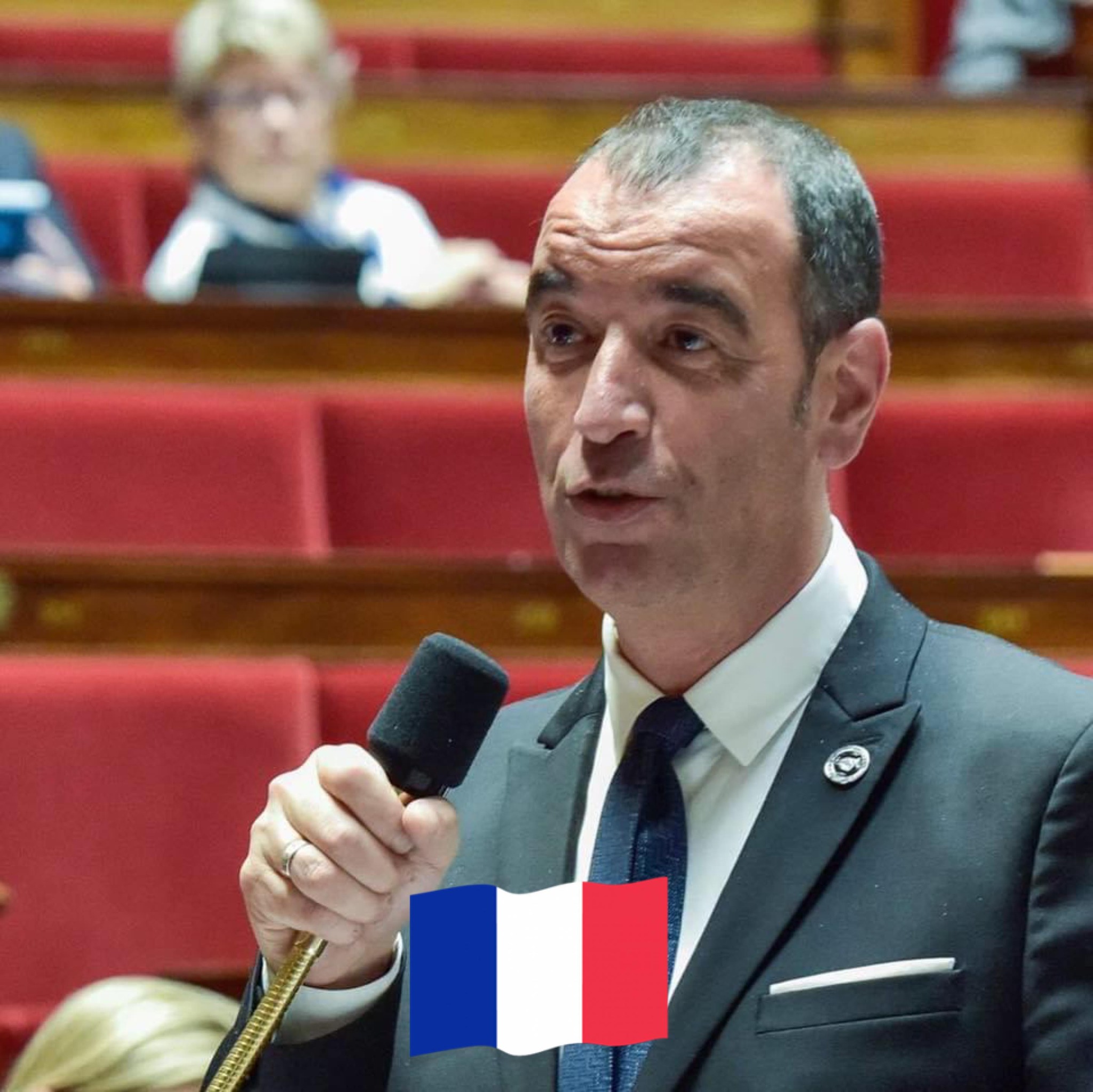
The inquiry was reportedly triggered by a formal complaint filed in January 2024 by French Member of Parliament Éric Bothorel, who expressed concerns over what he viewed as deliberate amplification of divisive content. Bothorel, a member of President Emmanuel Macron’s Renaissance party, said he filed the complaint after repeated warnings about the platform’s shift in moderation policies under Musk’s leadership went unheeded.
Another contributor to the complaint was Henri Verdier, France’s former ambassador for digital affairs, who voiced concern that X’s operations could be violating both national laws and the European Union’s Digital Services Act (DSA). While the DSA provides a regulatory framework for platform transparency and accountability, its enforcement is still in early stages, prompting French authorities to act at the national level.
As part of the investigation, French officials have requested access to X’s recommendation algorithm and a live feed of user post data. The intent is to have independent experts assess whether the algorithmic structure has been manipulated in ways that violate French law or EU standards. Two experts—David Chavalarias, a researcher at CNRS, and Maziyar Panahi, a data scientist—were named as possible advisors to the investigation. However, Panahi has since publicly distanced himself from the probe, saying he was never officially informed and may pursue legal action over the use of his name.

In response to the investigation, X has refused to cooperate. The company has dismissed the probe as politically motivated and accused French prosecutors of distorting local laws to justify censorship. In a formal statement, X’s Global Government Affairs team said the platform was being targeted “for its commitment to free expression” and accused authorities of engaging in a “hostile regulatory campaign.”
The company’s leadership argues that the requested disclosures, particularly the sharing of proprietary algorithmic data, would not only compromise trade secrets but also violate privacy protections. Elon Musk, who acquired the platform in late 2022, has repeatedly voiced opposition to what he views as European overreach into platform governance. He has previously accused EU regulators of attempting to stifle dissent and impose ideological conformity on social media.
Still, French authorities appear undeterred. The national police are now involved in the investigation, and law enforcement has been authorized to use advanced forensic tools to analyze potential algorithmic tampering. According to reports, investigators are also exploring whether foreign entities may have exploited the platform’s systems to exert influence over French users, raising concerns about election security ahead of the 2027 presidential race.
This case could have broader implications for Europe’s ability to regulate large tech platforms. While the Digital Services Act grants the EU Commission oversight of “very large online platforms” like X, France’s decision to launch a criminal probe on its own underscores growing frustration with the pace and depth of EU enforcement. It also signals that member states may take matters into their own hands when they perceive a national risk.
Critics of the investigation argue that it risks setting a precedent for governments to weaponize algorithm audits and criminal statutes against platforms that fail to align with their political expectations. Free speech advocates have warned that compelling platforms to hand over algorithmic code or real-time user data could have chilling effects across the tech industry.
Supporters counter that platforms wield significant power in shaping public discourse and must be held accountable when that power is misused. “If X is indeed distorting debate or enabling foreign manipulation, that’s not just a corporate issue—it’s a democratic one,” said one French cybersecurity official familiar with the probe.
Meanwhile, other EU countries are watching closely. If France succeeds in extracting concessions or sanctions through its national process, it may embolden similar efforts elsewhere. Germany, Ireland, and the Netherlands have all expressed interest in stricter enforcement of AI-driven content moderation and platform transparency.
The challenge here – if you have been following along is that the tech industry doesn’t understand how AI works in many cases – so getting sued, as a result means AI may not be allowed in various countries. This reminds us a great deal of when France didn’t like the word email because it was too American and mandated the use of courriel and tried to launch its own search engine to compete with Google.
In the absence of cooperation from X, French authorities may turn to external experts and user data analysis to build their case. While it’s unclear whether the probe will lead to criminal charges, it has already added new urgency to conversations around algorithmic accountability and the balance between free expression and public interest.
As the investigation unfolds, one thing is clear: France is no longer waiting for Brussels to act. With the legal spotlight now trained on one of the world’s largest digital platforms, X’s operations—and its willingness to cooperate with European regulators—may soon face a new standard of scrutiny.
Learn how AI Agents can supercharge your company’s profits and productivity at TMC’s AI Agent Event, Sept 29-30, 2025 in DC.

If you liked this post, you’ll love one of the the leading global business communications and technology events since 1999, the ITEXPO #TECHSUPERSHOW, Feb 10-12, 2026 Fort Lauderdale, Florida.
Don’t forget the collocated MSP Expo – just for managed service providers!
Aside from his role as CEO of TMC and chairman of ITEXPO #TECHSUPERSHOW Feb 10-12, 2026, Rich Tehrani is CEO of RT Advisors and a Registered Representative (investment banker) with and offering securities through Four Points Capital Partners LLC (Four Points) (Member FINRA/SIPC). He handles capital/debt raises as well as M&A. RT Advisors is not owned by Four Points.
The above is not an endorsement or recommendation to buy/sell any security or sector mentioned. No companies mentioned above are current or past clients of RT Advisors.
The views and opinions expressed above are those of the participants. While believed to be reliable, the information has not been independently verified for accuracy. Any broad, general statements made herein are provided for context only and should not be construed as exhaustive or universally applicable.
Portions of this article may have been developed with the assistance of artificial intelligence, which may have contributed to ideation, content generation, factual review, or editing