Key Takeaways:
- Developers can now use Model Context Protocol (MCP) tools in ChatGPT for write actions, not just search or fetch.
- The update enables tasks like updating Jira tickets, triggering Zapier workflows, and chaining multiple connectors into automations.
- MCP support is accessible in ChatGPT’s developer mode, aimed at giving builders more flexibility and control.
- This change could reduce reliance on external scripting and integration layers by allowing direct execution inside chat.
- The move builds on OpenAI’s ongoing push to make ChatGPT not just a conversational interface but a development and automation hub.
OpenAI announced that ChatGPT now fully supports Model Context Protocol (MCP) tools, marking a significant step toward deeper automation capabilities within the platform. Previously, MCP integrations were limited to search and fetch actions, but with this update, developers can now perform write actions directly inside ChatGPT.
In practical terms, this means developers can update Jira tickets, trigger workflows in Zapier, or combine multiple connectors to execute complex automations—all without leaving the chat interface. According to OpenAI’s developer team, this long-awaited expansion was driven by persistent demand from the developer community.
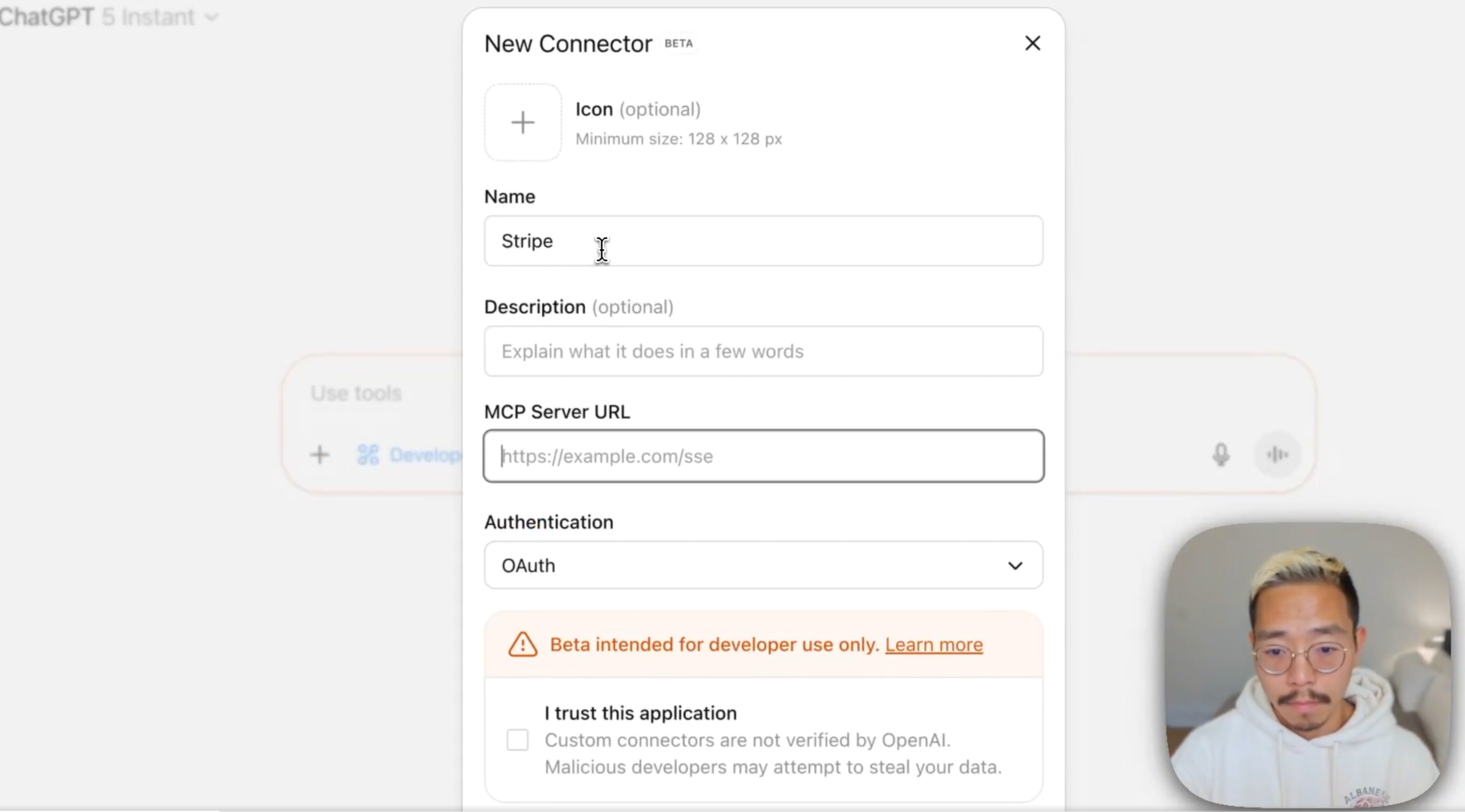
The company shared the news through its OpenAI Developers account on X, stating: “We’ve (finally) added full support for MCP tools in ChatGPT. In developer mode, developers can create connectors and use them in chat for write actions (not just search/fetch). Update Jira tickets, trigger Zapier workflows, or combine connectors for complex automations.”
What MCP Brings to ChatGPT
MCP, short for Model Context Protocol, is designed to allow external tools and data sources to connect with ChatGPT in a structured way. By extending this to include write capabilities, OpenAI is moving ChatGPT beyond being a passive assistant into something closer to an active operations platform.
For developers and organizations, the implications are broad. Instead of copying information from chat into another application, ChatGPT can now act on that information immediately. For example, a project manager could ask ChatGPT to log a new issue in Jira or update an existing one. A marketer could request a campaign workflow be triggered in Zapier, linking it with tools like HubSpot or Google Ads. In theory, multiple MCP connectors can be orchestrated in a single flow, allowing more advanced, multi-step automations.
Developer Mode as the Gateway
The functionality is currently tied to ChatGPT’s developer mode, a space designed for builders experimenting with advanced features. Developer mode has increasingly become OpenAI’s proving ground for integrations that push ChatGPT from conversation into execution.
With write access, OpenAI is also placing more responsibility on developers to design secure workflows. The company has previously highlighted that MCP includes permissioning and guardrails to help prevent unintended actions.
The Competitive Landscape
The move comes at a time when AI assistants are racing to add more automation features. While ChatGPT has largely been positioned as a conversational layer, competitors like Anthropic’s Claude and Google’s Gemini have leaned into integrations with productivity platforms. By enabling write access through MCP, OpenAI is signaling that ChatGPT can function as a command hub rather than just a discussion partner.
Analysts note that this change could also reduce the need for custom middleware or third-party automation layers. Instead, organizations can centralize their workflows inside ChatGPT while retaining flexibility through MCP’s open structure.
Community Reaction and Next Steps
Developer reaction on social media has been largely positive, with many describing the feature as “long overdue.” The acknowledgment in OpenAI’s own announcement—“We’ve (finally) added full support”—suggests the company recognizes the delay in rolling out functionality developers had been requesting for months.
The next question is how quickly developers adopt these capabilities and what kinds of connectors emerge. OpenAI has not yet announced any prebuilt write-action connectors, leaving it to developers to begin creating and sharing their own. If adoption mirrors the surge seen with other ChatGPT plugin ecosystems, MCP write support could evolve into a key differentiator.
As OpenAI continues to expand ChatGPT’s capabilities, the platform is steadily shifting from a conversational AI product into an automation and integration hub, with MCP serving as the connective tissue. How far developers push the boundaries of these new write actions may determine just how central ChatGPT becomes in enterprise workflows.
Learn how AI Agents can supercharge your company’s profits and productivity at TMC’s AI Agent Event Sept 29-30, 2025 in DC.

Rich Tehrani serves as CEO of TMC and chairman of ITEXPO #TECHSUPERSHOW Feb 10-12, 2026 and is CEO of RT Advisors and is a Registered Representative (investment banker) with and offering securities through Four Points Capital Partners LLC (Four Points) (Member FINRA/SIPC). He handles capital/debt raises as well as M&A. RT Advisors is not owned by Four Points.
The above is not an endorsement or recommendation to buy/sell any security or sector mentioned. No companies mentioned above are current or past clients of RT Advisors – howebver Tehrani is the FusionScore.ai founder.
The views and opinions expressed above are those of the participants. While believed to be reliable, the information has not been independently verified for accuracy. Any broad, general statements made herein are provided for context only and should not be construed as exhaustive or universally applicable.
Portions of this article may have been developed with the assistance of artificial intelligence, which may have contributed to ideation, content generation, factual review, or editing.